
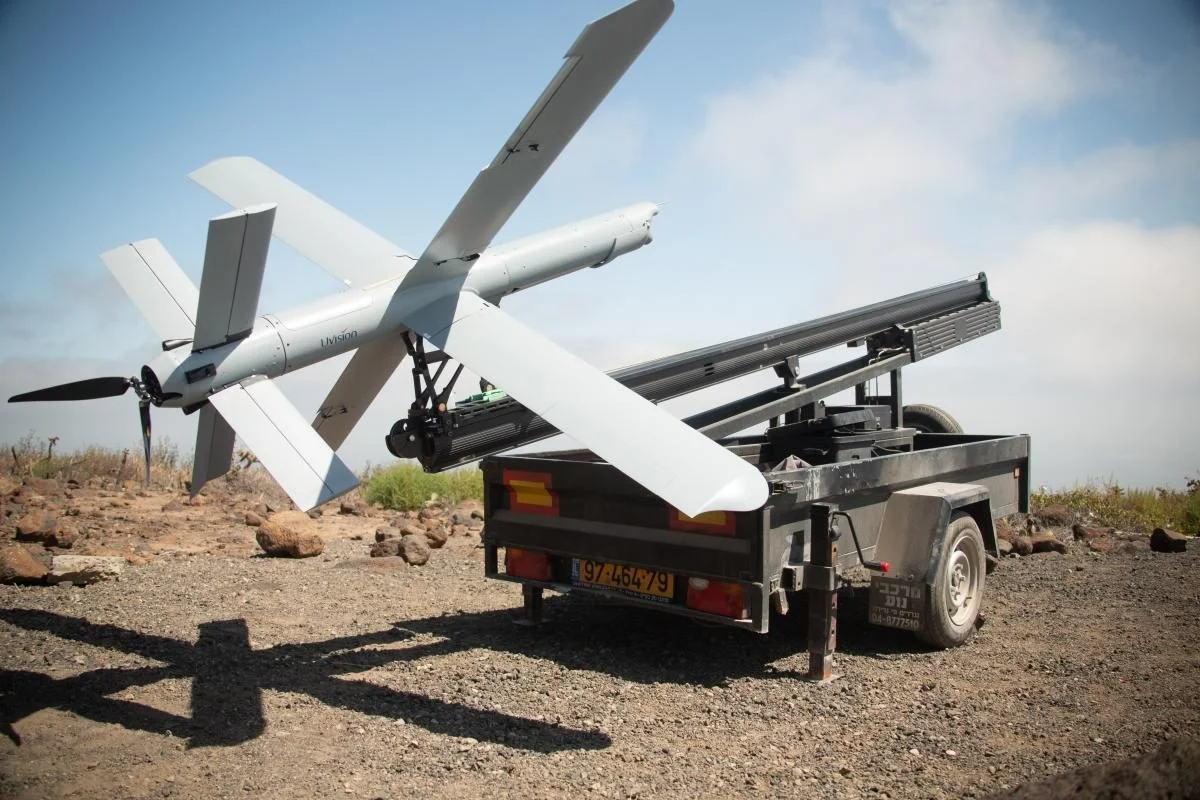
The world is on the threshold of the most massive transformation of warfare since the advent of nuclear weapons. Modern conflicts clearly demonstrate that the classic concept of warfare, which relied exclusively on massed artillery bombardments and numerical superiority in manpower, is rapidly becoming a thing of the past. It is being replaced by an era of high-tech confrontation, where a key role is played by data processing speed, automation, and artificial intelligence.
Today, the defense industry of the world’s leading countries is forced to completely rebuild its supply chains and production capacities. The problem is that factories that for decades produced standard armored vehicles cannot instantly pivot to manufacturing unmanned systems or next-generation electronic warfare equipment. This gap between the needs of the frontline and the capabilities of the rear is becoming the main challenge for military strategists.
Particular attention is drawn to the concept of network-centric warfare, where every soldier, every drone, and every piece of equipment is integrated into a single information network. This allows decisions on the battlefield to be made in seconds, staying several steps ahead of the enemy. At the same time, such dependence on digital technologies makes armies vulnerable to cyberattacks, forcing the investment of billions of dollars into securing communication channels.
Key Takeaway: Data security in modern warfare holds as much weight as the thickness of a tank’s armor. A breach in cyberspace can paralyze an entire army without a single shot being fired.
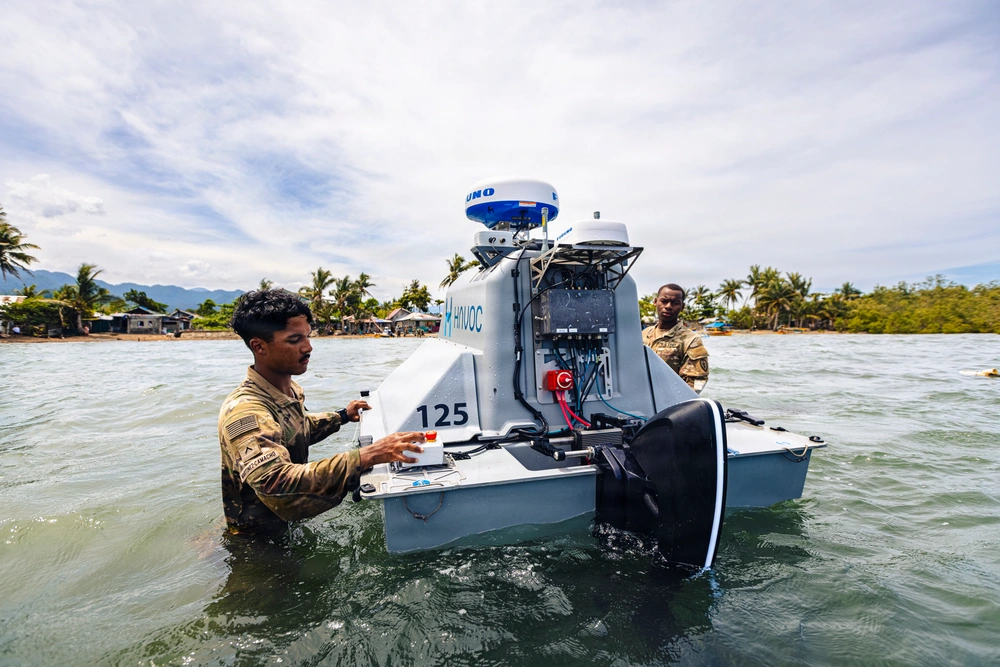
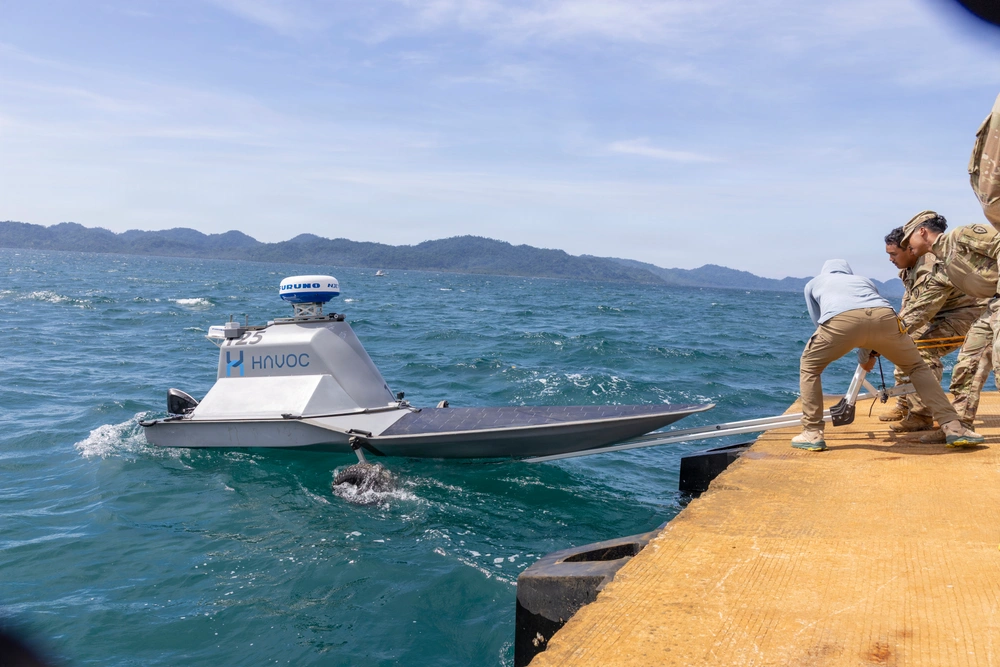
The development of unmanned technologies has already changed the rules of the game at sea, in the air, and on land. Low-cost kamikaze drones are capable of destroying equipment worth millions of dollars, completely overturning the traditional economics of war. The main task of defense agencies now is not only to create their own UAVs but also to develop effective and affordable countermeasures.
The modern defense-industrial complex also faces shortages of critical raw materials and components, particularly semiconductors and rare earth metals. Dependence on specific geographic regions for the supply of these materials creates additional risks for the national security of many states. Therefore, leading players are trying to localize the full cycle of microchip production within their own territories.
An important element of the new defense strategy is the integration of civilian tech giants into the military sector. Companies that previously focused exclusively on commercial satellite systems or software are now becoming full-fledged participants in the defense process. This breaks down the old closed ecosystem and brings the flexibility of the IT industry into the military sphere.
Fact Sheet: Defense Expenditure Structure
Research & Development (R&D): Funding the creation of laser weapons, AI, and quantum computing.
Legacy Fleet Modernization: Updating navigation and protection systems of older hardware.
Ammunition Procurement: Creating strategic reserves of high-precision shells and missiles.
Logistics & Supply: Building secure warehouse hubs and automated delivery systems.
The issue of air and missile defense has come to the fore due to the emergence of hypersonic weapons. Traditional air defense systems often prove ineffective against missiles maneuvering at ultra-high speeds. This stimulates the development of interception means based on new physical principles, including directed-energy laser and electromagnetic weapons.
In addition to purely technical aspects, the training of human capital is of paramount importance. A modern service member must be more than just a rifleman; they must be an operator of complex computerized systems. This paradigm shift in training requires the creation of interactive simulators based on virtual and augmented reality, which significantly saves expensive ammunition during exercises.
Crucial Concept: The side that masters the cognitive domain of warfare—filtering disinformation and making faster sense of chaotic battlefield data—will hold the ultimate strategic advantage, regardless of raw industrial output.
The problem of weapon standardization within international alliances remains equally critical. When different units use equipment of various calibers and incompatible communication systems, it significantly complicates joint operations. The unification of interfaces and ammunition is the exact direction that defense committees worldwide are currently actively pursuing.
Outer space has definitively transformed into another theater of military operations. Reconnaissance, communication, and navigation satellites serve as the “eyes and ears” of modern headquarters, making attempts to disable them using electronic warfare or anti-satellite missiles a reality. Protecting the space constellation is a priority for ensuring uninterrupted command and control of troops.
Artificial intelligence is becoming the primary assistant to analysts in headquarters, as it can instantly process gigabytes of information from the front lines, recognize camouflaged objects on satellite imagery, and predict enemy movements. However, delegating the authority to open fire to AI remains a subject of sharp ethical and legal debates at the international level.


Finally, the long-term resilience of a state’s defense system depends on its economic potential and ability to rapidly scale production at a critical moment. Investments in defense have ceased to be a simple budget expense line—today, they are a powerful driver of scientific and technological progress that creates new jobs and stimulates the development of civilian science and industry.
“Technologies by themselves do not win wars. They are won by people who know how to use these technologies under conditions of maximum stress and uncertainty,” said John Smith.